

In short
We aim to build a foundational technology capable of reshaping how biological traits are created, expressed and sustained. By advancing ultraprecise mitochondrial engineering, our long-term vision extends from strengthening global agriculture to enabling innovations that may one day impact a wide range of biological and medical applications.
Our path is ambitious but grounded: establish a reliable core technology first — then unlock its potential responsibly, step by step.
“Imagination is more important than knowledge. For knowledge is limited to all we now know and understand, while imagination embraces the entire world, and all there ever will be to know and understand.” — Albert Einstein
Where We See Today’s Core Technological Limitations
Despite remarkable progress in modern gene-editing methods, current tools remain fundamentally constrained when applied to the full complexity of living genomes. Biological systems operate through multilayered, interconnected networks that extend far beyond single sequence edits. Genomes are dynamic, context-dependent, and shaped by regulatory architectures that interact across generations. Existing editing techniques, however precise they may be in isolated scenarios, often lack the depth, scope, and long-term stability required to reliably influence such systems at scale.
Many approaches struggle with durability across successive generations, with consistency in diverse biological environments, or with the ability to account for the emergent behavior of vast genetic networks. These limitations do not diminish the scientific achievements that have brought the field to its current point — rather, they highlight the intrinsic challenge: today’s tools were not designed to navigate the full structural, regulatory, and evolutionary complexity of living genomes.
This is where we recognize a core problem and, simultaneously, an opportunity. The next generation of technologies must move beyond narrow interventions and toward frameworks that integrate stability, robustness, and long-term coherence as foundational principles.
Outlook
Our long-term vision extends beyond a single crop or application. While maize is our initial focus, the underlying platform is designed to be adaptable across other crops where water stress, climate volatility, and biological limits increasingly constrain productivity.
Looking ahead, we aim to expand this approach to additional agricultural systems, supporting more resilient plant performance under diverse environmental conditions. Beyond plant science, the same principles may also be applicable to broader biological contexts, including animal and human health, where precise, cell-level control of biological processes plays a critical role.
We believe that future progress will depend on technologies that are modular, precise, and compatible with natural biological systems rather than rigid, one-size-fits-all solutions. Our goal is to build a platform that can evolve alongside scientific understanding, regulatory frameworks, and real-world needs — enabling responsible innovation across disciplines.
Future Challenges for Maize Production
Heat stress
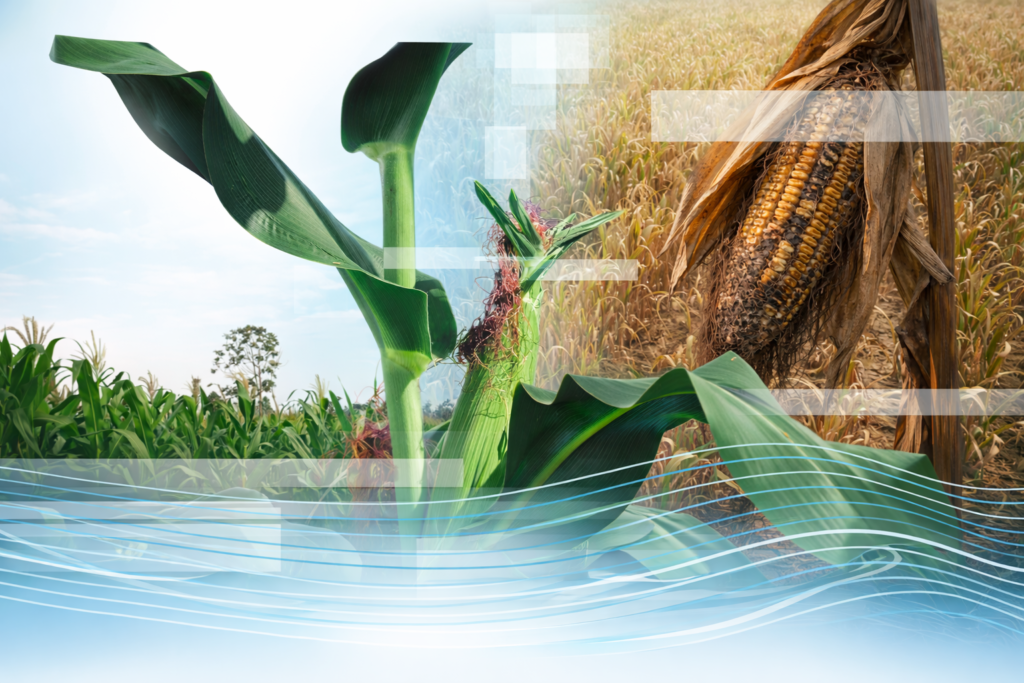
Even short heat episodes around flowering can reduce kernel set because pollen viability drops and silk growth/pollination timing becomes mismatched. Research shows that heat around flowering is directly yield-relevant and disrupts reproductive processes.
Field and controlled studies report substantial yield penalties depending on timing and genotype
Water scarcity & drought
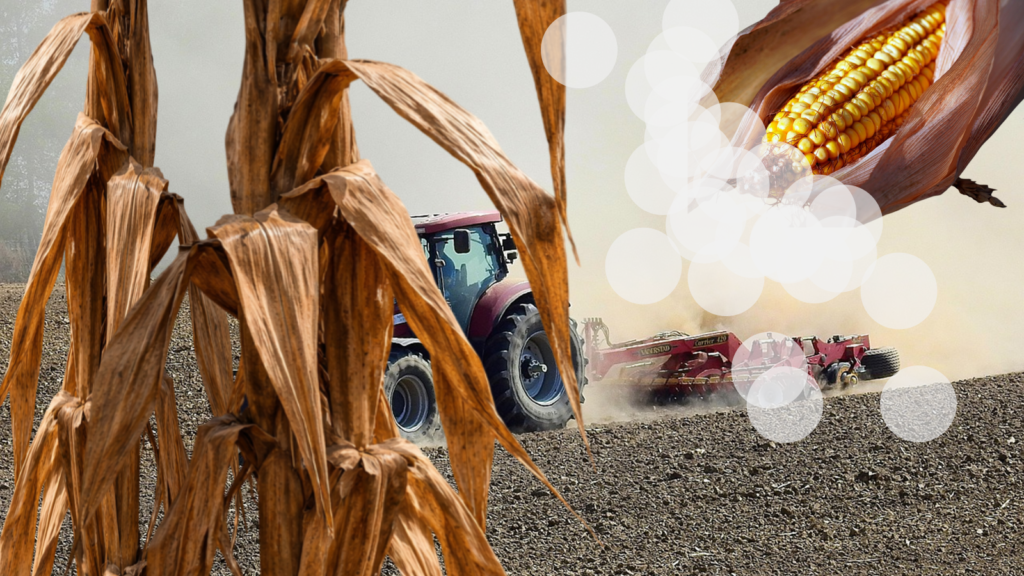
Drought during reproduction is especially destructive: 16–21 days of water deficit during flowering can cut kernel number by ~42–78%.
Pre-silking water stress can also be dramatic — one study found an average ~58% reduction in kernel number, largely due to failed silk emergence and pollination.
Pathogens, insects & pests
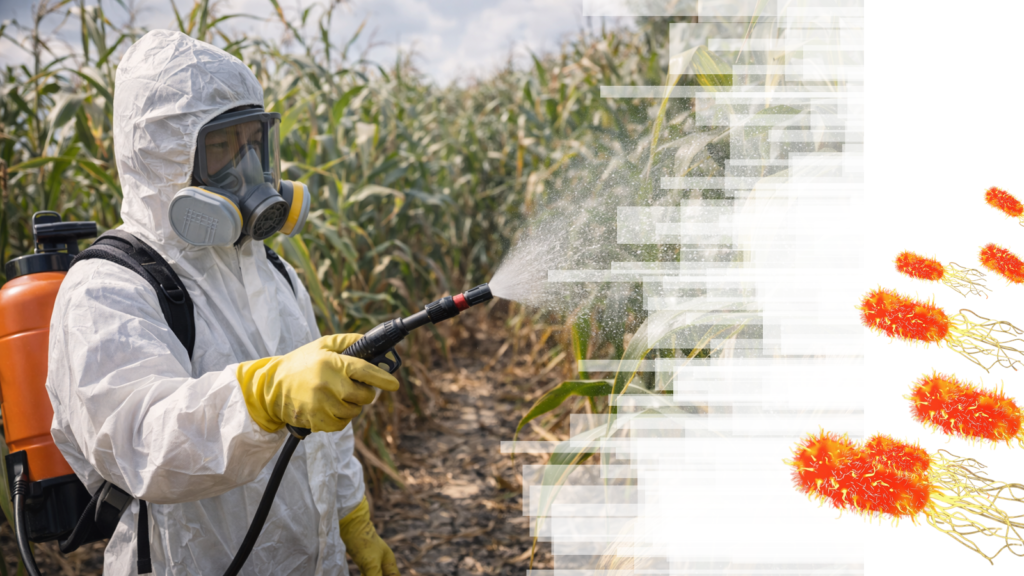
Biotic stress is a major global yield limiter. A landmark crop-loss assessment reports potential maize losses of ~31% from pests and diseases (without protection).
Even in highly managed systems, disease still matters: U.S. estimates for 2024 suggest maize diseases reduced yield by about ~6% on average. A striking example is Corn Stunt Disease Complex, where modeling reports yield losses up to ~63% at high severity.
In the coming decades, maize will increasingly face combined stress during its most sensitive stage — flowering. Heat, drought, and the spread of diseases will occur simultaneously, severely limiting yield and crop quality.
These overlapping stresses weaken plant defenses, disrupt pollination, and increase vulnerability to pathogens and toxins. As a result, production risks will rise while stability declines.
Socio-economically, this threatens especially small and medium-scale farmers who depend on maize for food security and income but lack access to resilient technologies. Without climate-adapted solutions, maize productivity will become more uncertain and regional inequalities will intensify.
Where We Stand
We are currently in an early but focused development phase. Our work centers on advancing the scientific foundation of the platform through in silico modeling and literature-based validation, allowing us to systematically test assumptions and identify critical technological pathways before entering experimental development.
In parallel, we are actively expanding our network across academia, agriculture, and industry. A key priority is building direct contact with end users, including growers and practitioners, to ensure that future applications are grounded in real-world needs and operational constraints.
At this stage, our emphasis is on robustness and learning rather than speed. By combining theoretical progress with early market and stakeholder engagement, we are laying the groundwork for informed, collaborative development in the next phases.